What PPWR is
PPWR is a regulation, not a directive. That matters: it needs no national law to take effect and it applies identically in all 27 Member States. It replaces Directive 94/62/EC, which underpinned national packaging law for three decades.
In Romania, Law 249/2015 on packaging management remains in force, but only where it doesn't conflict with the regulation. Where the two overlap, PPWR prevails.
Who it applies to
Your obligations depend on your role in the supply chain, and one company can hold several roles at once.
- The manufacturer is whoever places packaging on the market under its own name or trademark, not necessarily whoever physically makes it. If you sell a product packaged by someone else under your brand, PPWR treats you as the manufacturer. The technical documentation and EU declaration of conformity are the manufacturer's responsibility.
- The importer brings packaging or packaged products into the EU from a third country, and must make sure the manufacturer has carried out the conformity assessment and that the documentation exists.
- The distributor makes available products already placed on the market by others, and among other things checks that the producer is registered.
- Online shops and marketplaces have explicit obligations, including verifying that sellers are registered.
- The producer, in the extended producer responsibility (EPR) sense, bears the cost of managing packaging waste in the country where the packaging is first made available.
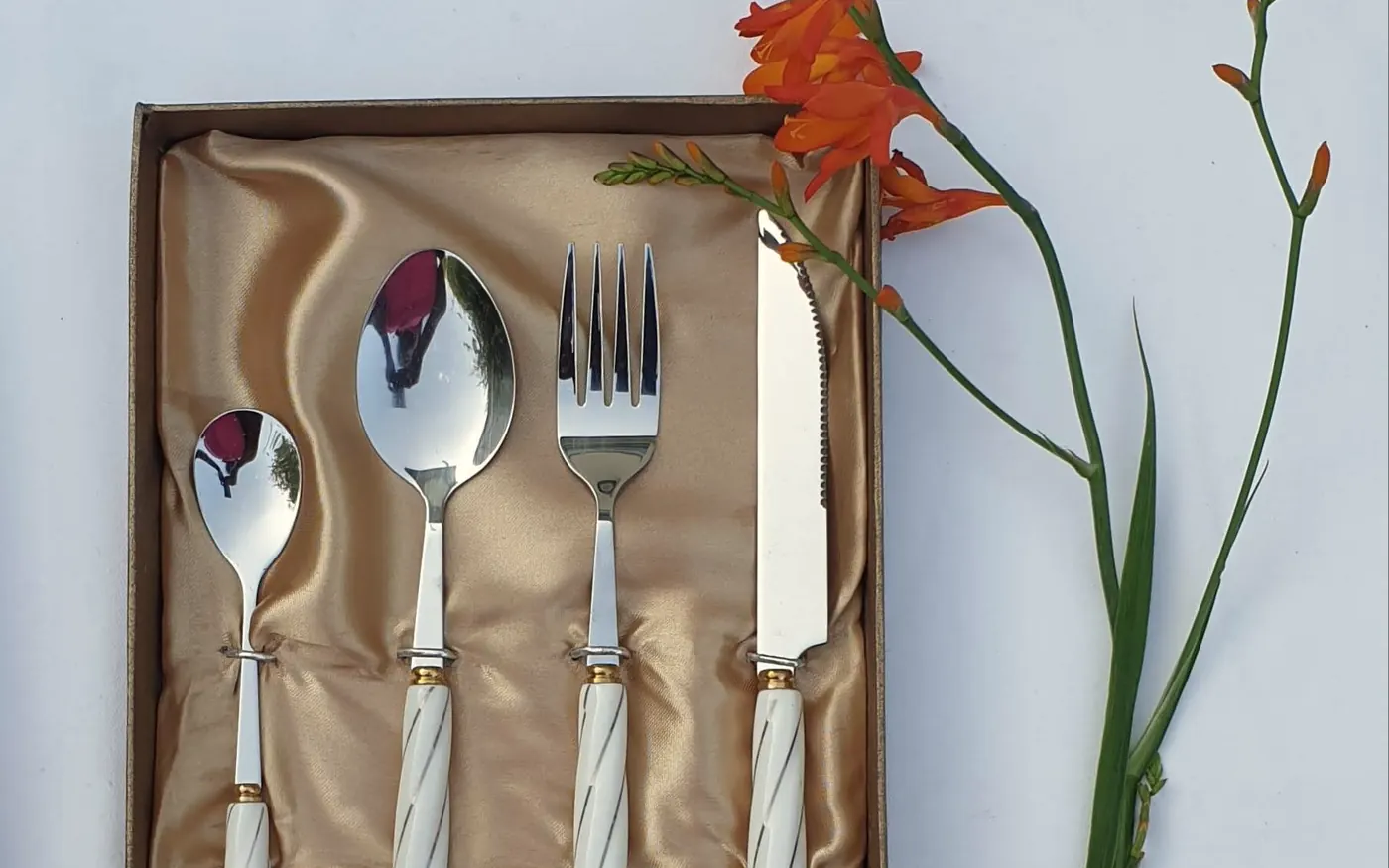
A concrete example: a company importing tableware from China and selling it under its own brand is both importer and manufacturer under PPWR. It is responsible for checking the supplier and for its own conformity file.
What already applies since 12 August 2026
Substance restrictions (Art. 5):
- The sum of lead, cadmium, mercury and hexavalent chromium concentrations may not exceed 100 mg/kg in any packaging or packaging component.
- Food-contact packaging may not contain PFAS above 25 ppb for any individual PFAS, 250 ppb for the sum of targeted PFAS, and 50 ppm for total PFAS including polymeric PFAS.
The heavy-metal limit isn't new: it was already in the old directive. Problems usually come from inks, pigments, adhesives and poorly sorted recycled material.
Technical documentation and EU declaration of conformity. The manufacturer draws up the technical documentation set out in Annex VII and issues an EU declaration of conformity (Art. 39) for each packaging type. Records are kept for 5 years for single-use packaging and 10 years for reusable packaging. Packaging suppliers must pass on the composition data needed.
Existing stock. According to the European Commission's guidance, food-contact packaging first placed on the market after 12 August 2026 must meet the PFAS limits, with no sell-off period. Packaging placed on the market before that date may remain in circulation.
Timeline of obligations
| Date | What applies |
|---|---|
| 12 August 2026 | General application: substance restrictions, technical documentation, EU declaration of conformity |
| 12 February 2027 | Deadline for national penalty regimes |
| 12 February 2028 | Mandatory compostability for certain formats (tea bags, coffee pods, fruit stickers) |
| 12 August 2028 | Harmonised material-composition label* |
| 1 January 2030 | Design for recycling (grades A, B, C), minimum recycled content in plastics, maximum 50% empty space in grouped, transport and e-commerce packaging*, bans on certain single-use formats, reuse targets |
| 1 January 2035 | Packaging recyclable "at scale" through existing collection and recycling infrastructure |
| 1 January 2038 | Only recyclability grades A and B remain permitted |
| 1 January 2040 | Higher recycled-content thresholds |
* These dates move later if the Commission's implementing acts are adopted late. For example, the harmonised label applies from 12 August 2028 or 24 months after the implementing act, whichever is later.
The situation in Romania
The regulation already applies, but part of the national machinery is still being built:
- The producer register required by PPWR (Art. 44) doesn't exist yet. The Commission hasn't adopted the act setting its format, and Member States then have 18 months to adapt their registers. Until then, existing national extended producer responsibility obligations continue to apply, through producer responsibility organisations (OIREP in Romania).
- The penalty regime must be set nationally by 12 February 2027.
- The deposit return system (SGR), already running in Romania, continues.
In practice: the missing register does not suspend the other obligations. Substance restrictions and the declaration of conformity already apply.
Green claims on packaging
Beyond PPWR, what your packaging says matters too. Directive (EU) 2024/825 on green claims, transposed in Romania by Emergency Ordinance 18/2026, reaches its final stage of application on 27 September 2026.
Generic claims such as "eco-friendly", "green" or "environmentally friendly" without recognised evidence become unfair commercial practices. So do sustainability labels not based on a certification scheme, "climate neutral" claims based on emissions offsetting, and claims that attribute to the whole product a benefit that only applies to its packaging.
More detail: PPWR and Directive 2024/825: what to check on your packaging.
What it means for importers from Asia
For goods sourced from China, India or elsewhere in Asia, PPWR sits on top of other requirements checked on the same import. A common example is tableware and cookware:
- the packaging falls under PPWR: substances, documentation, declaration of conformity;
- the product touches food, so it falls under Regulation (EC) No 1935/2004, and for porcelain and ceramics also under Directive 84/500/EEC;
- customs may add duties. For example, since February 2026 ceramic and porcelain tableware and kitchenware made in China carries a 79% anti-dumping duty.
An Asian supplier won't volunteer PPWR documentation. The importer has to request it before ordering and write it into the contract. Otherwise the goods arrive in the EU without the documents an inspection will ask for.
See also: International sourcing and logistics.
What to do now
- Establish your role, or roles, under PPWR: manufacturer, importer, distributor, online seller.
- Inventory your packaging: types, materials, weights, suppliers, countries of sale.
- Ask suppliers for composition data and test reports for heavy metals, plus PFAS for food-contact packaging.
- Prepare the technical documentation and the EU declaration of conformity for each packaging type.
- Review green claims on packaging and in sales materials.
- Confirm EPR obligations in every country where you sell, including a producer responsibility organisation contract in Romania.
- Plan for 2030: recyclability, recycled content and empty space are decided now, when redesigning packaging and choosing suppliers.
How Best Practices helps
We check packaging against PPWR and Directive 2024/825 and deliver the Declaration of Conformity package: complete documentation, ready for inspection, with corrective recommendations where needed. For importers, we request and verify supplier documents before the order is placed.
Legal responsibility for products placed on the market stays with the company placing them. We prepare and verify the documentation that supports it.
Not sure where to start? Take the free PPWR check: five questions, one minute. Or send us your details for a quote.
Frequently asked questions
Does PPWR apply to small companies?
Yes. PPWR has no general exemption for micro-enterprises. Producers placing less than 10 tonnes of packaging a year on a Member State's market only have simplified reporting obligations.
Do I need to change my packaging labels now?
Not yet. The harmonised label applies from 12 August 2028 at the earliest. Green claims on packaging, however, need checking now, because of Directive 2024/825.
The producer register doesn't exist yet. Do I still have obligations?
Yes. Substance restrictions, technical documentation and the declaration of conformity have applied since 12 August 2026. Until the PPWR register exists, national extended producer responsibility obligations remain in force.
Who issues the declaration of conformity when I import from outside the EU?
The manufacturer, meaning the company placing the product on the market under its own name or trademark. If you import and sell under your brand, the obligation is yours.
Can I sell packaging stock made before 12 August 2026?
Packaging placed on the market before 12 August 2026 may remain in circulation. Packaging first placed on the market after that date must comply with PPWR.
What is the difference between PPWR and Directive 2024/825?
PPWR regulates the packaging itself: composition, design, documentation. Directive 2024/825 regulates environmental claims made to consumers, including on packaging.
Official sources
- Regulation (EU) 2025/40 (PPWR), on EUR-Lex
- Directive (EU) 2024/825, on EUR-Lex
- European Commission guidance and FAQs on PPWR (June 2026)
- All relevant acts, with official links: Legislation page