How we work
A good supplier price means nothing if the goods get stuck at customs or arrive without the documents an inspection will ask for. That's why we manage the whole chain, in five stages:
- We find and vet the supplier: capacity, quality, export experience and the real place of manufacture.
- We agree the documents before ordering: what the factory must provide and what goes into the contract.
- We follow production and inspection before shipment.
- We organise shipping and customs: groupage or full container, by sea or by air.
- We deliver to your address in the EU, with the complete document file.
Pricing: a brokerage and administration fee, calculated as a percentage of the goods' value. The actual transport cost is invoiced separately, per the carrier's quote. Quotes are tailored to volume and route.

What we source
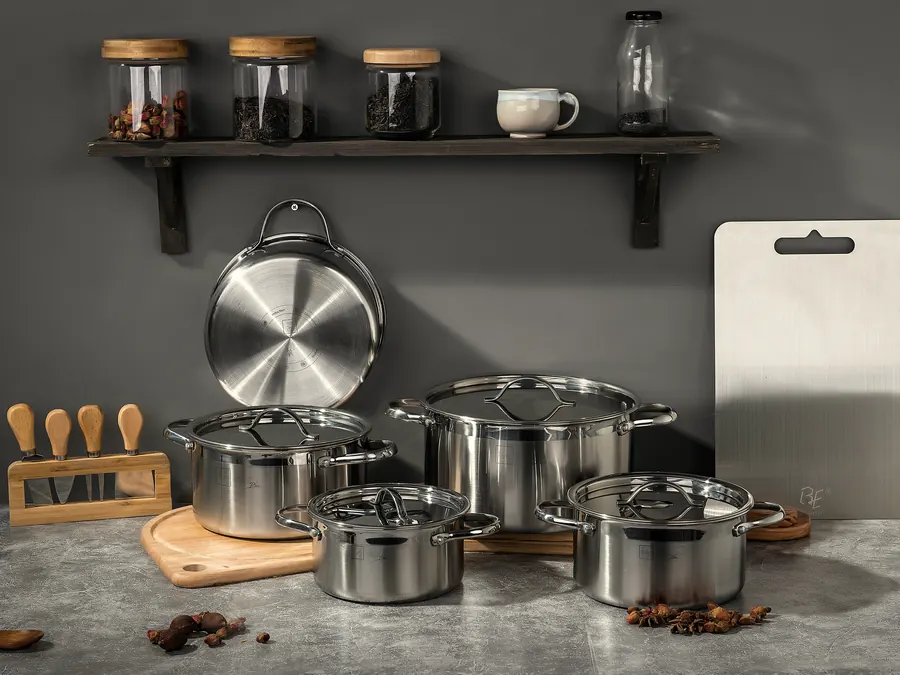
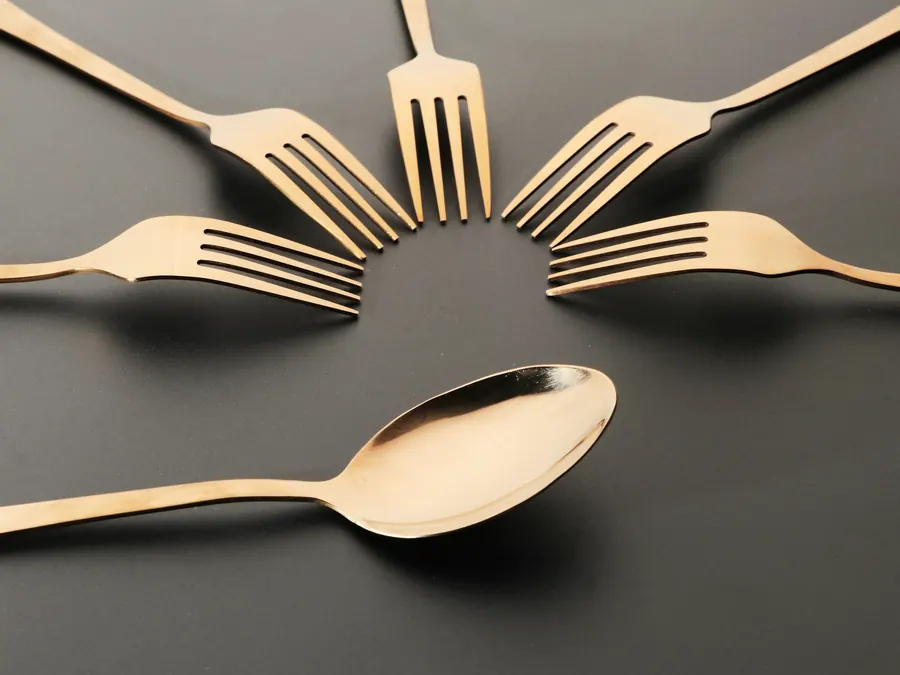
- Stainless steel: cookware, cutlery, kitchen utensils.
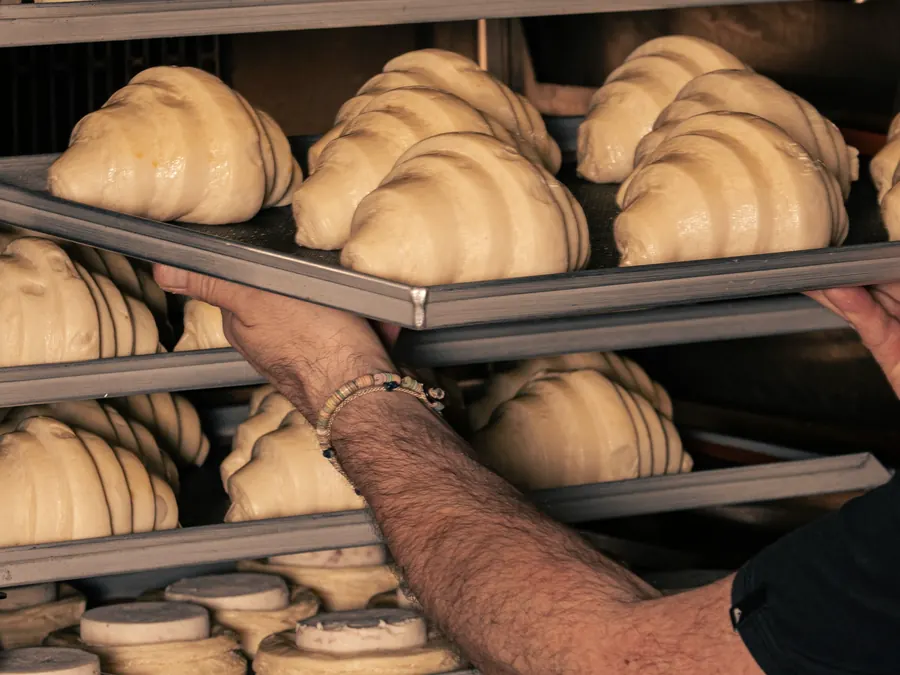
- Aluminium: cookware, baking trays and moulds, including for bakeries and HoReCa.
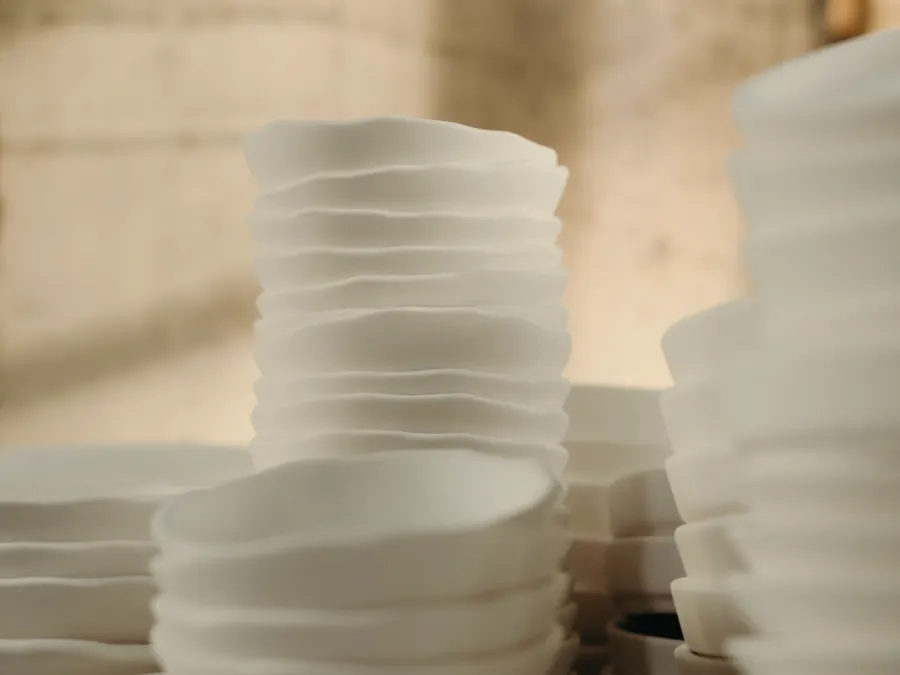
- Porcelain: tableware for retail, HoReCa and private label.
- Opal glass: durable tableware, common in HoReCa.
- Machinery, equipment and complete production lines.
- Other consumer goods, from the EU and Asia.
Porcelain from Asia: where we source, depending on what you need
For an importer, the factory price is only part of the picture. What matters is the cost landed in the EU: price, freight, customs duty and, sometimes, anti-dumping duty. The ranking below accounts for all of them.
| Country | When we choose it | EU import regime |
|---|---|---|
| Vietnam | quality, design, an alternative to China | EU–Vietnam free trade agreement: 0% on porcelain since 2025, with proof of origin |
| India | design, decoration, flexible production | Standard customs duty: GSP preferences for ceramics are suspended for 2026–2028. The EU–India agreement, concluded in 2026, is not yet in force |
| Bangladesh | bone china, export tableware | Duty-free ("Everything But Arms"), guaranteed until November 2029 |
| Thailand | hotelware, HoReCa | Standard customs duty |
| China | very large volumes, any design | Standard customs duty plus 79% anti-dumping duty |
The ranking reflects Best Practices' assessment. The exact rate is confirmed for each product, on its customs code, before ordering.
Full guide: 10 countries compared, with figures and landed cost in the EU
For the premium segment we also work with Japan and South Korea, both of which have free trade agreements with the EU.
About China: since 7 February 2026, Implementing Regulation (EU) 2026/274 applies a 79% anti-dumping duty to porcelain and ceramic tableware and kitchenware made in China, for all exporters. China remains an option when you need a design or capacity other countries can't offer and you factor in the duty.
Watch the real origin: only genuine manufacturing in another country avoids the duty legally. Chinese goods routed through a third country, relabelled or superficially finished there, count as circumvention, which is penalised, including by applying the duty retroactively. That's why we verify the factory and the origin before ordering.
Not synonyms: ceramic, porcelain, stoneware, bone china
- Ceramic is the umbrella term for everything below.
- Earthenware: fired at low temperature, porous, more fragile.
- Stoneware: fired at high temperature, dense and opaque, widely used in HoReCa.
- Porcelain: fully vitrified ceramic with water absorption below 0.5%. Very hard, translucent where the walls are thin.
- Fine china: fine porcelain with thin walls.
- Bone china: porcelain with bone ash in its composition: whiter, more translucent and lighter.
- Opal glass looks like porcelain but is glass.
Why it matters:
- Customs code: porcelain is classified under heading 6911, stoneware and earthenware under 6912. For China, the anti-dumping duty covers both. Opal glass is classified as glass, so the ceramic duty doesn't apply to it.
- Food contact: the lead and cadmium limits apply to all ceramic products, not just porcelain.
- Trade description: selling stoneware as "porcelain" is a misleading claim to consumers.
Food-contact compliance
Tableware, cutlery, cookware and bakeware all touch food, so rules apply beyond customs:
- Regulation (EC) No 1935/2004 is the framework for all materials. Products must not transfer substances to food in harmful quantities, must carry the words "for food contact" or the glass-and-fork symbol, and must be traceable by batch.
- Regulation (EC) No 2023/2006 sets good manufacturing practice.
- Porcelain and ceramics: Directive 84/500/EEC sets lead and cadmium limits and requires a declaration of compliance. A revision with stricter limits is being prepared at EU level. The Netherlands already applies stricter limits, since 29 May 2026, which matters if you also sell there.
- Glass, stainless steel, aluminium: there are no material-specific EU rules, so the general framework applies. For metals, the technical reference is the Council of Europe guide on metals and alloys.
- Plastic utensils from China: spatulas, ladles and other utensils made of polyamide or melamine originating in or shipped from China or Hong Kong follow a special procedure under Regulation (EU) No 284/2011. Every consignment needs a declaration and a laboratory report; documents are checked on every consignment and 10% undergo physical checks. Without them, the goods stay at the port.
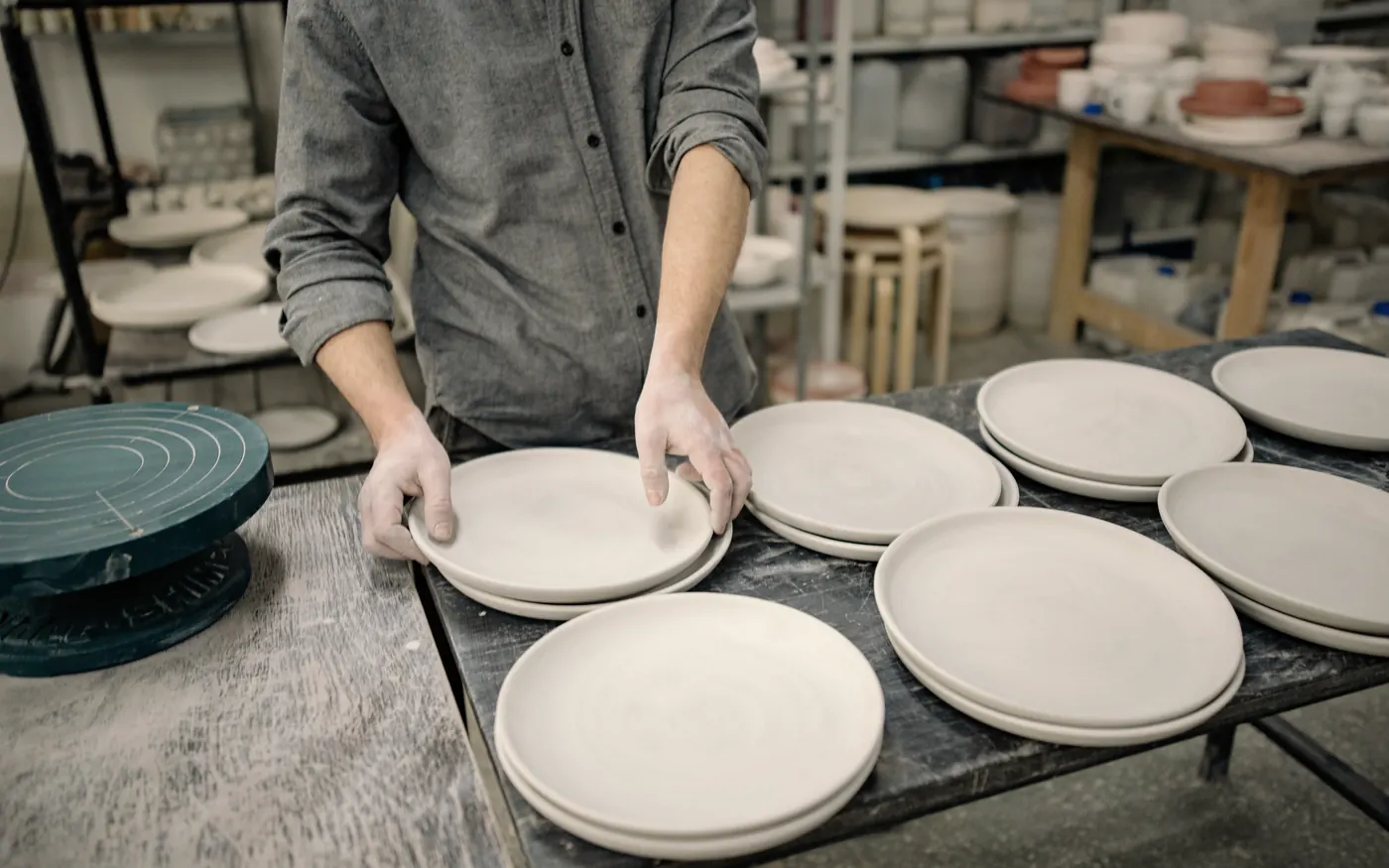
What we actually do:
- obtain the supplier's declaration of compliance before ordering and check that it matches the product;
- coordinate migration tests at accredited laboratories and interpret the results; we don't carry out the tests ourselves;
- check labelling and traceability;
- hand over the complete file, ready for inspection.
Legal responsibility for products placed on the market stays with the importer. We prepare and verify the documentation that supports it.
Customs and duties
- An EORI number is required for any import from outside the EU. In Romania it is requested online through the EORI-RO system of the Romanian Customs Authority.
- Correct customs classification determines the duty. A wrong code means the wrong duty and, at a later audit, back payments with penalties.
- Anti-dumping duties are checked per product and country of origin. For stainless steel, aluminium and opal glass we have not identified EU measures currently in force; the final check is done on the exact code before ordering.
- CBAM, the EU carbon border adjustment mechanism: aluminium cookware is explicitly excluded, and steel and stainless household articles are not currently covered. A Commission proposal would extend CBAM from 2028 to around 180 steel and aluminium products; the final list is still being negotiated. We track it for our clients.
- Purchases within the EU are intra-Community transactions: no customs, just transport and direct invoicing.
Shipping
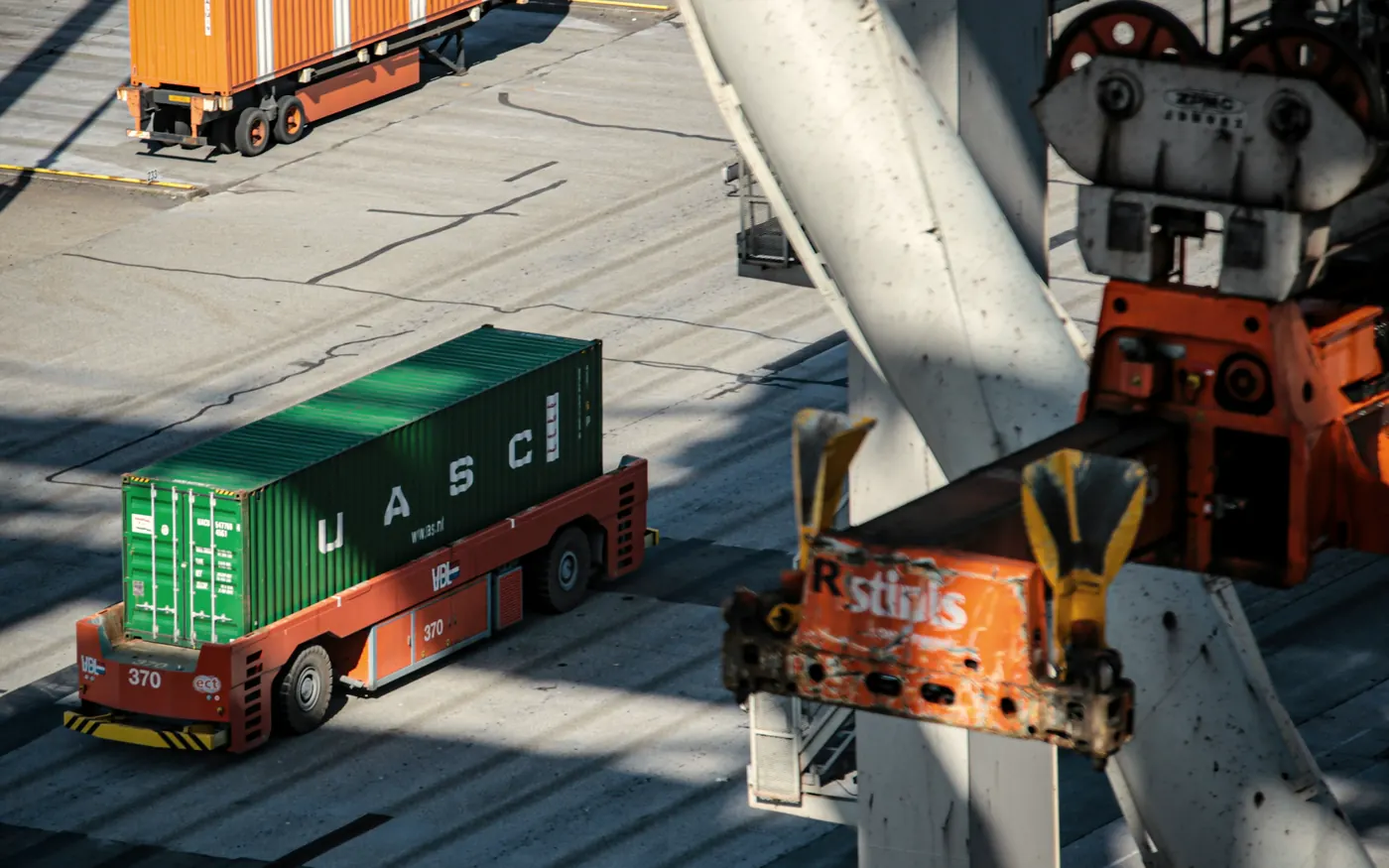
Groupage (LCL) for small orders, a full container load (FCL) when volume justifies it, and sea or air routes depending on deadline and cost. We choose the cheapest option that still meets the commercial deadline and deliver to your door.
Packaging of imported products
The goods arrive packaged, and the packaging falls under Regulation (EU) 2025/40 (PPWR). If you import and sell under your own brand, PPWR also treats you as the manufacturer: the technical documentation and EU declaration of conformity for the packaging are yours. More: PPWR: EU packaging rules, deadlines and compliance.
Import documents
- Commercial invoice and packing list
- Bill of Lading or Air Waybill
- Certificate of origin or preferential proof of origin
- Active EORI number
- Import customs declaration
- CE marking, where applicable
- Safety data sheet, where the product requires it
- Transport contract and cargo insurance
For food-contact products, add the declaration of compliance and, where relevant, laboratory reports.
Have a product or supplier in mind? Send us the details: the product, estimated quantity and country of origin. We'll come back with a quote and the list of documents you'll need.
Frequently asked questions
What duty do I pay on porcelain tableware from China?
Standard customs duty plus a 79% anti-dumping duty, applied since 7 February 2026 to all Chinese exporters. For porcelain tableware made in Vietnam or Bangladesh, the customs duty is zero, with proof of origin.
Does opal glass pay the same duty as porcelain?
No. Opal glass is classified for customs as glass, not ceramic, so the anti-dumping duty on Chinese ceramics does not apply to it.
Do I need lab tests for stainless steel cutlery?
There is no EU obligation specific to stainless steel, but the importer must be able to show the product complies with Regulation 1935/2004. Metal-release tests from an accredited laboratory are the usual evidence.
Do kitchen utensils with plastic parts have special rules?
Yes, if they are made of polyamide or melamine and come from China or Hong Kong. Each consignment needs a declaration and a laboratory report under Regulation (EU) No 284/2011.
Are stainless steel or aluminium cookware covered by CBAM?
Not at the moment. Aluminium cookware is explicitly excluded and steel cookware is not on the current list. A proposed extension from 2028 is still being negotiated.
Can I import goods without an EORI number?
No. For any import from outside the EU, the importer needs an active EORI number before the goods reach customs.
Official sources
- Implementing Regulation (EU) 2026/274 (anti-dumping, ceramics from China), on EUR-Lex
- Regulation (EC) No 1935/2004, Regulation (EC) No 2023/2006, Directive 84/500/EEC and Regulation (EU) No 284/2011, on EUR-Lex
- Union Customs Code, Regulation (EU) No 952/2013, on EUR-Lex
- EORI-RO system, Romanian Customs Authority
- All relevant acts: Legislation page